Loisaba Star Beds: What It's Really Like to Sleep Under Kenya's Night Sky
If there's one property that comes up again and again when people talk about stargazing in Kenya, it's this one. Loisaba Star Beds sits on a hill inside the 58,000-acre Loisaba Conservancy on the Laikipia Plateau, and it's built around a single idea: your bed rolls outside, and the sky becomes your ceiling.
Let me walk you through it.
The setting
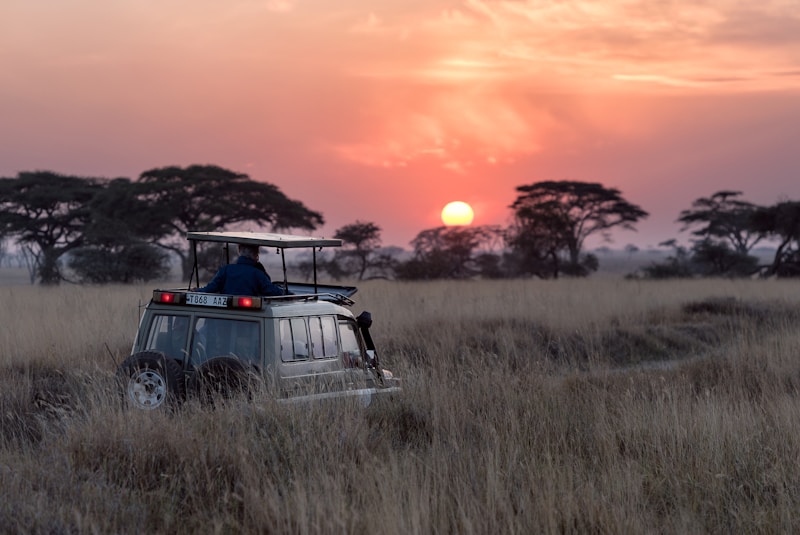
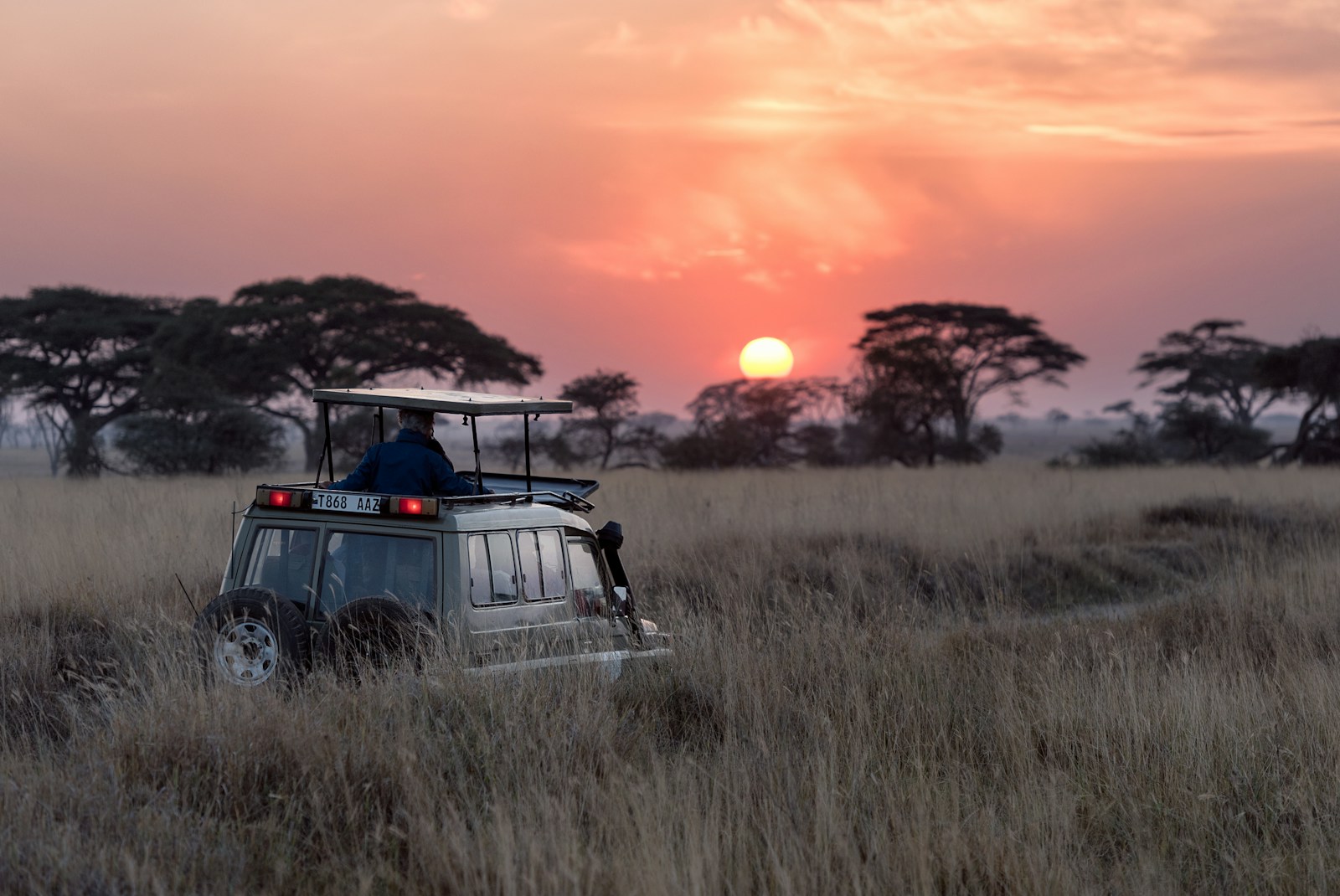
Loisaba Conservancy is unfenced, privately protected land bordering the Ewaso Nyiro River, with Mount Kenya visible in the distance on a clear day. It's part of a key elephant migratory corridor in northern Kenya, and because it's a conservancy rather than a national park, game drives can go off-road and sightings are kept deliberately uncrowded — usually no more than a handful of vehicles around any sighting, cats included.
Star Beds itself is the smallest and most intimate of the camps on the conservancy — just a handful of units, Samburu-themed in design, and staffed largely by people from the surrounding Samburu community.
The rooms — and the beds
Each "room" is an open-sided, thatched-roof cottage: proper rain shower, flush toilet, canvas wardrobe, power outlets for your camera gear. Nothing rustic about the comfort level. But the signature feature is what happens after dinner — your bed, fully netted and fitted with a hot water bottle for the cool Laikipia nights, gets wheeled out onto an open deck. You fall asleep looking straight up at the Milky Way, no roof, no walls, just mesh netting between you and the sky.
Guests regularly mention small wildlife wandering close to the deck overnight — genets are a recurring favourite — which is part of the charm rather than a concern; the platforms are raised and the camp team knows the conservancy's rhythms well.
Why it works so well for astro-tourism
Laikipia's dark skies were already part of the appeal before Kenya's national astro-tourism push, but Star Beds is built for exactly that experience — you don't need a scheduled telescope session to get the payoff, because the sky is simply where you sleep. For travellers who want the stargazing to feel effortless rather than scheduled, this is about as direct as it gets. For the wider picture of dark-sky travel across the country, see our complete guide to astro tourism in Kenya.
What to expect day-to-day
Game drives. Off-road access across the conservancy, with a strong track record for leopard, cheetah, and lion sightings, plus one of Kenya's largest elephant populations.
Conservation access. Loisaba is also active in rhino conservation, and guests can get a closer look at that work than at most safari properties.
Food. Meals lean into traditional Kenyan flavours, generally taken outdoors, with dietary preferences accommodated.
Community. Much of the tourism revenue on the conservancy flows back to the surrounding Samburu and Maasai communities who co-manage the land — worth knowing if responsible tourism factors into where you choose to stay.
Who it's best for
Star Beds tends to suit couples and honeymooners especially well — the intimacy of a four-to-six-unit camp and the sheer romance of an open-air bed under the stars make it a natural fit — but families are welcome too, with family-configured units available for those travelling with kids.
Getting there
Loisaba is most commonly reached by light aircraft from Nairobi into an airstrip on the conservancy, with road transfers also possible for those combining it with other Laikipia stays.
Where this fits in a Kenya stargazing itinerary
Star Beds works well as the centrepiece of a broader astro-tourism trip through Kenya — pair two or three nights here with time in Samburu or the Mara, and time your dates around a new moon in the dry season (June–September or January–March) for the darkest possible skies. Our guide to the best time to visit Kenya breaks down those seasons, and any of our Kenya safari packages can be shaped around a night under the stars.
Availability at Star Beds is limited by design — with only a handful of units, dates around new moons and peak dry season fill up early.
Start planning your safari — tell us when you'd like to travel and we'll check availability and build Star Beds into your itinerary. No fixed itinerary, no obligation, just a conversation with people who know this ground.